
Article
Starship HLS — landing on the Moon with SpaceX
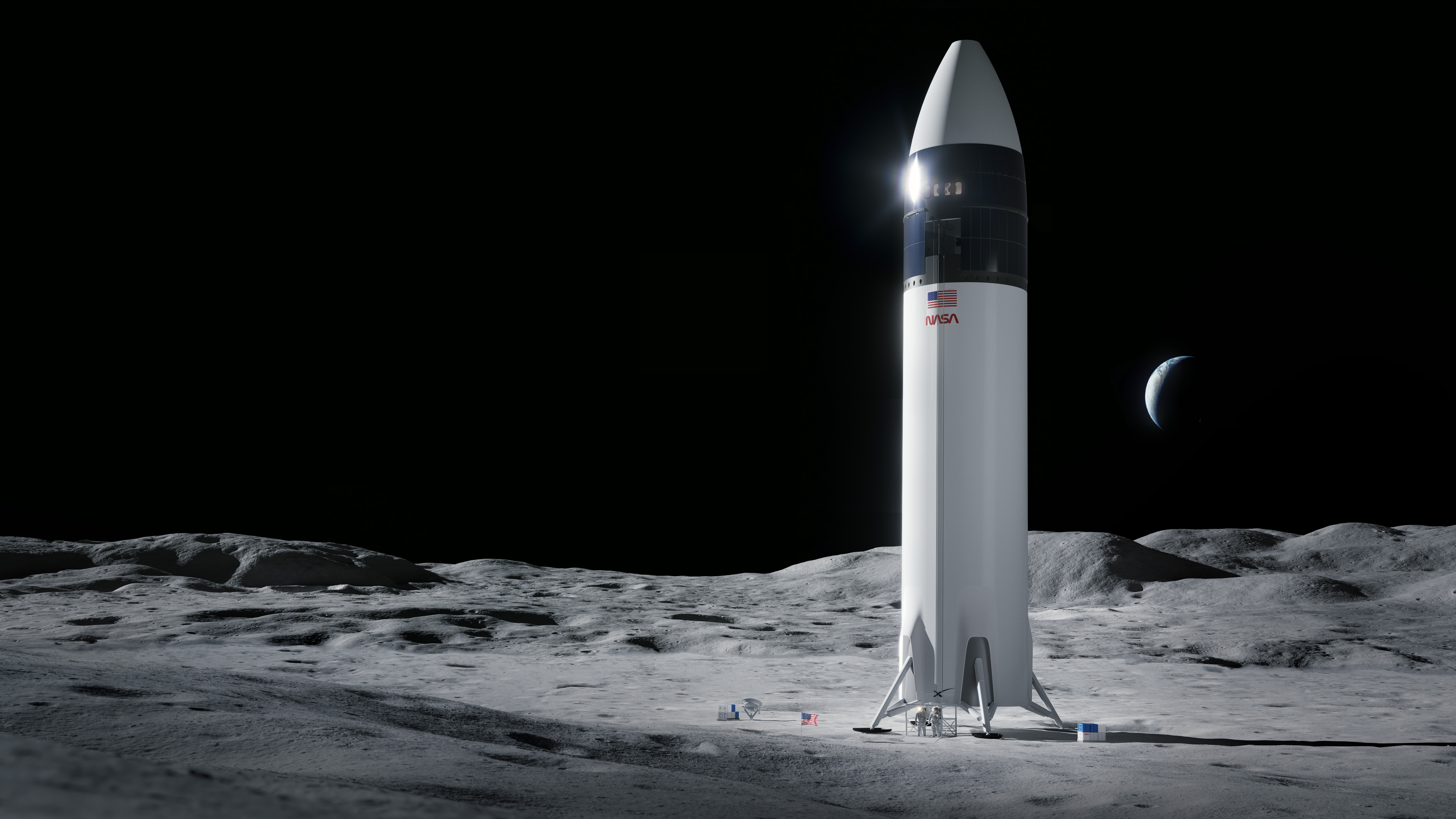
NASA’s Human Landing System for Artemis III and IV is built around Starship: Lander, Depot, and Tanker variants, a pressurized cabin over 600 m³, and in-space refueling before each translunar mission.
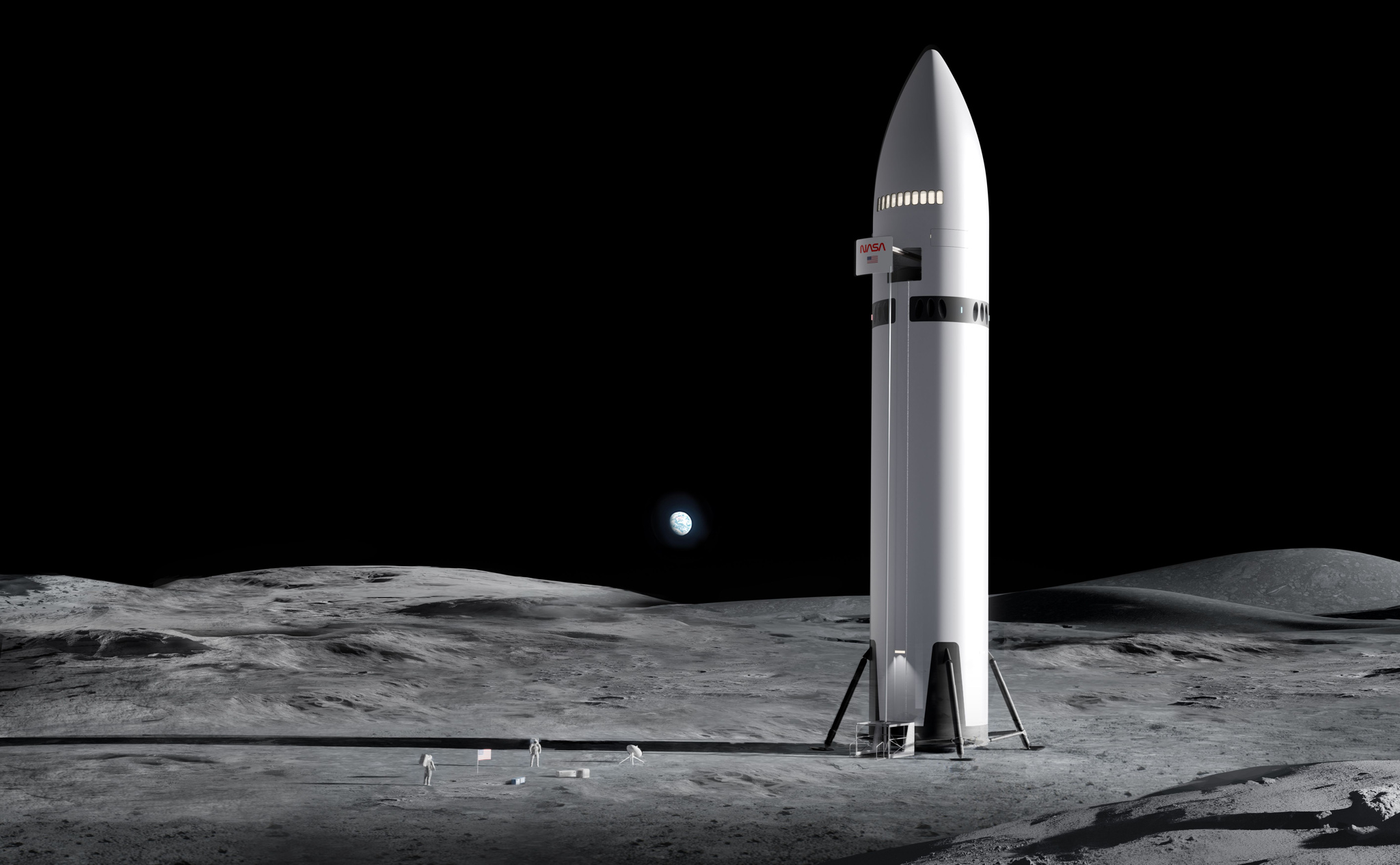
In April 2021, NASA selected SpaceX to develop the first commercial human lunar lander for Artemis. The Starship Human Landing System (HLS) is meant to return astronauts to the lunar south pole — a region never explored by humans — and enable a sustained presence.
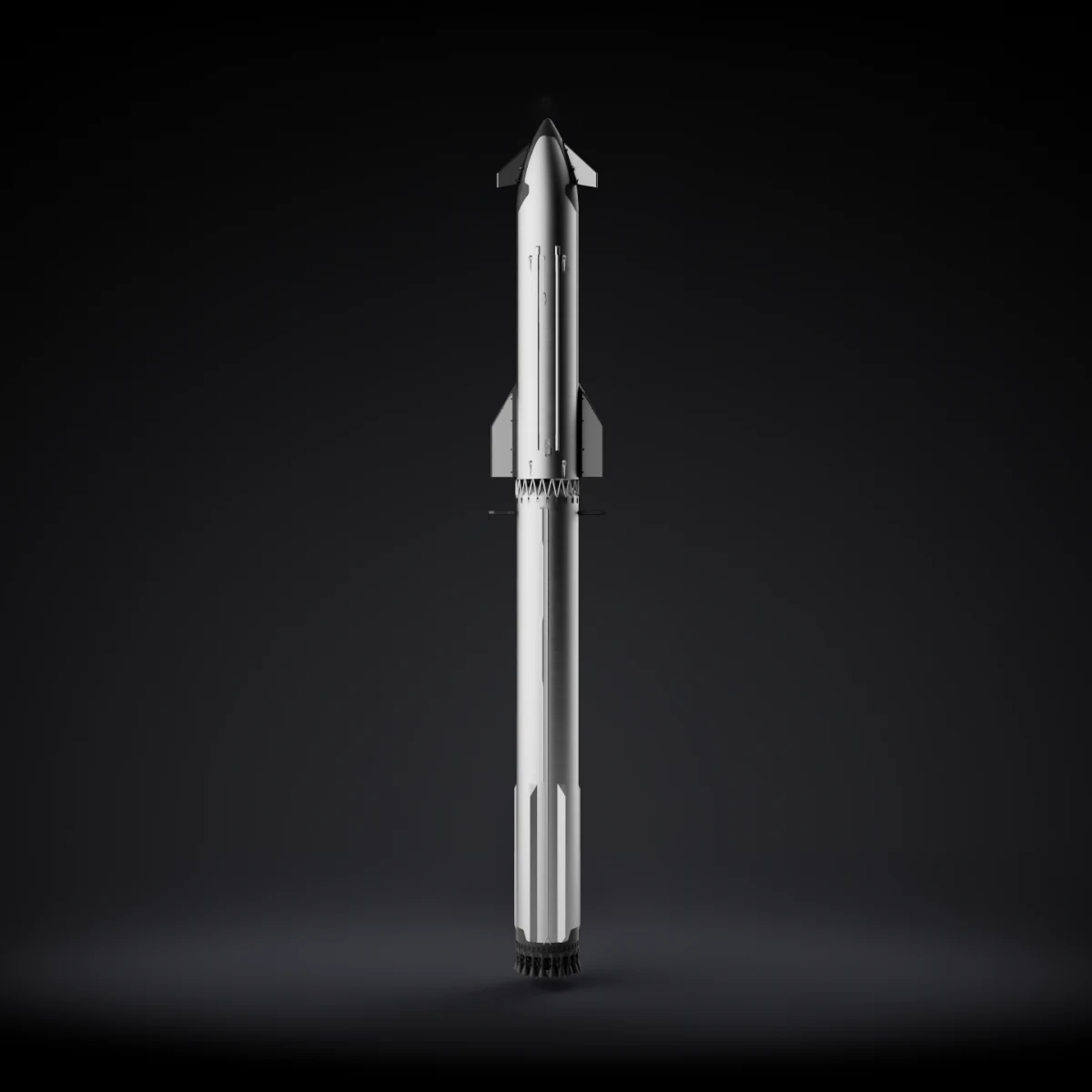
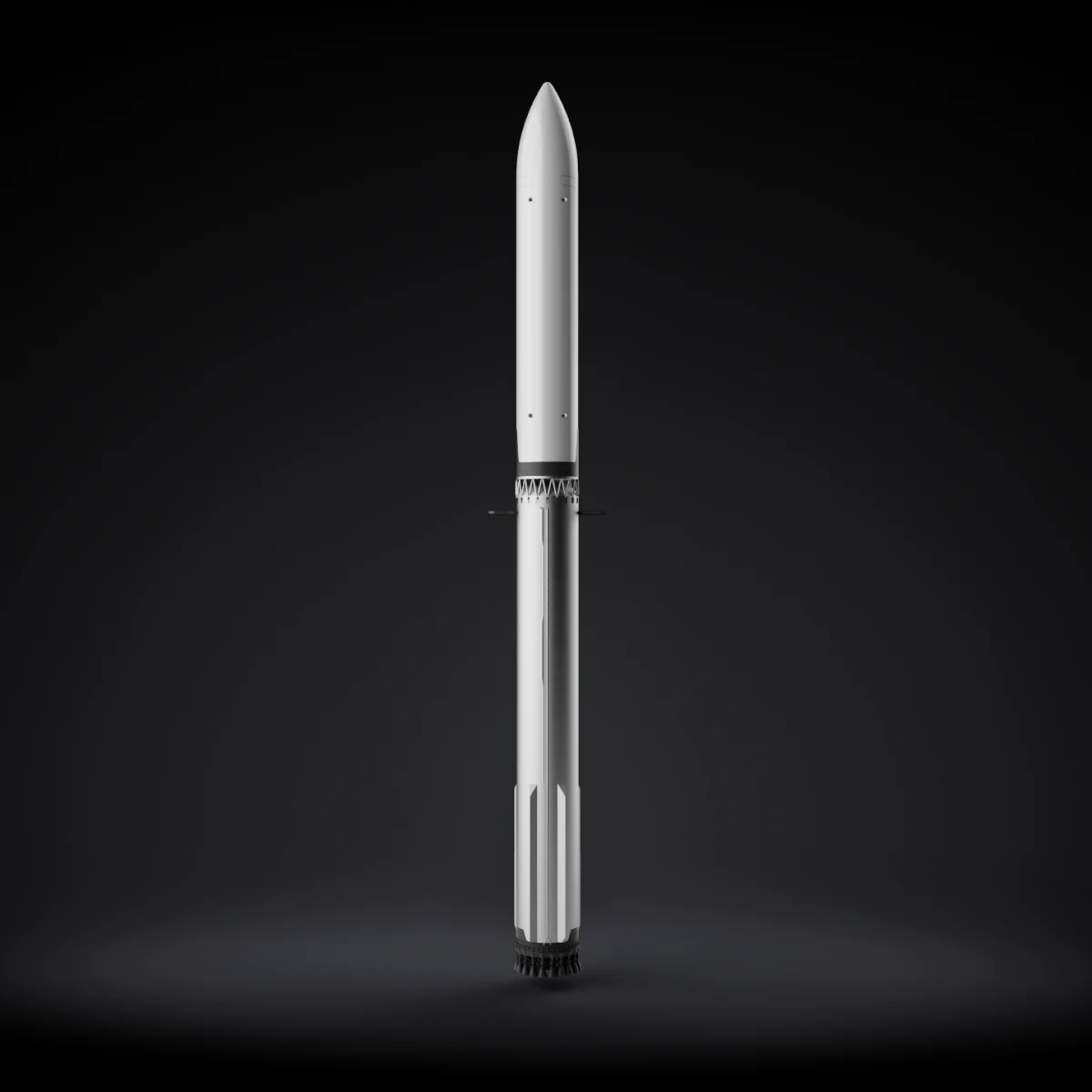
Three variants, one Starship family
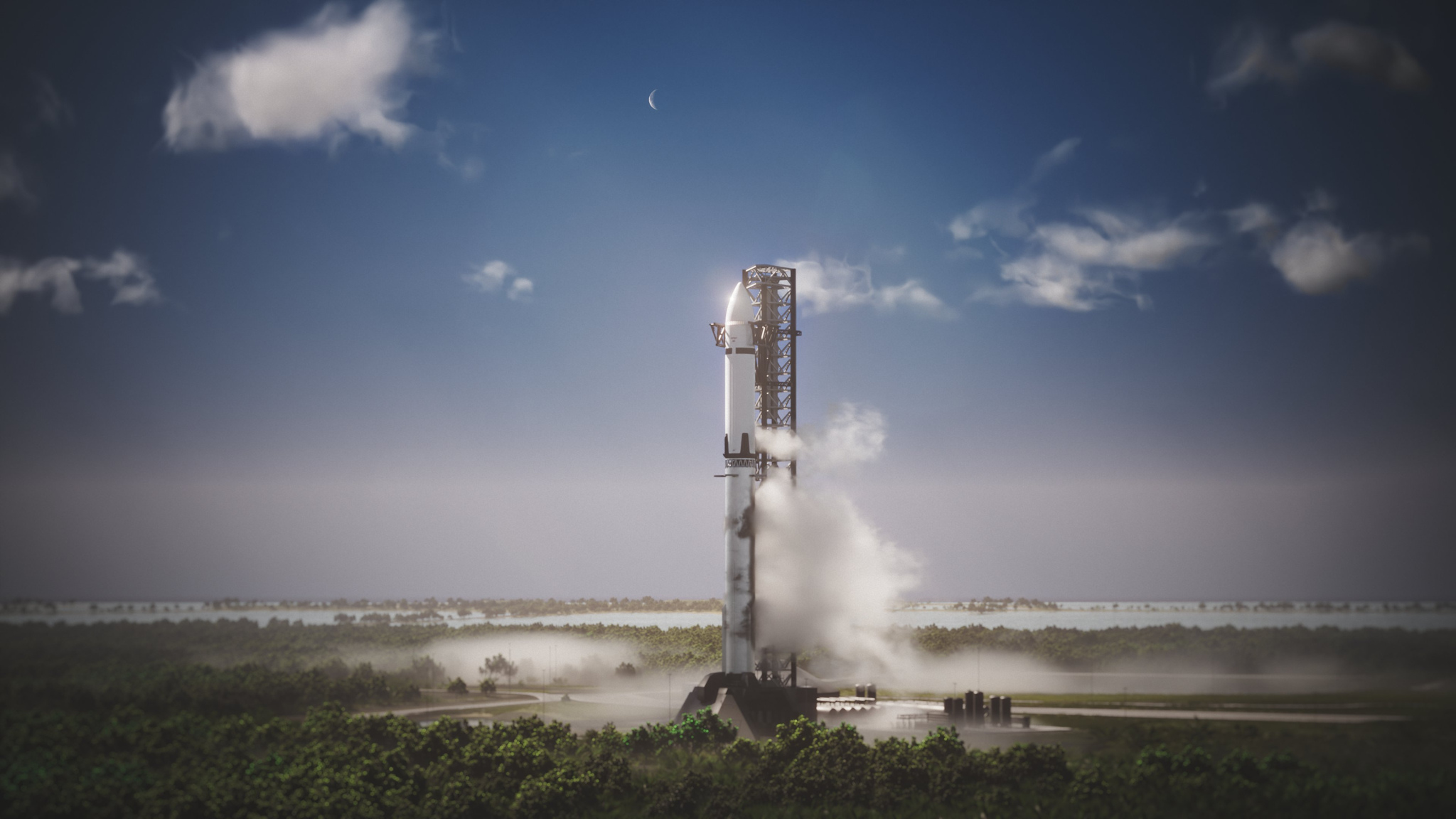
SpaceX fields three complementary roles: the crewed Lander for Artemis III+, an orbital propellant Depot (liquid methane and oxygen), and Tankers that refill the chain from low Earth orbit. The lander drops Earth-return flaps and heat shield to maximize lunar payload — up to roughly 100 tonnes after refueling.
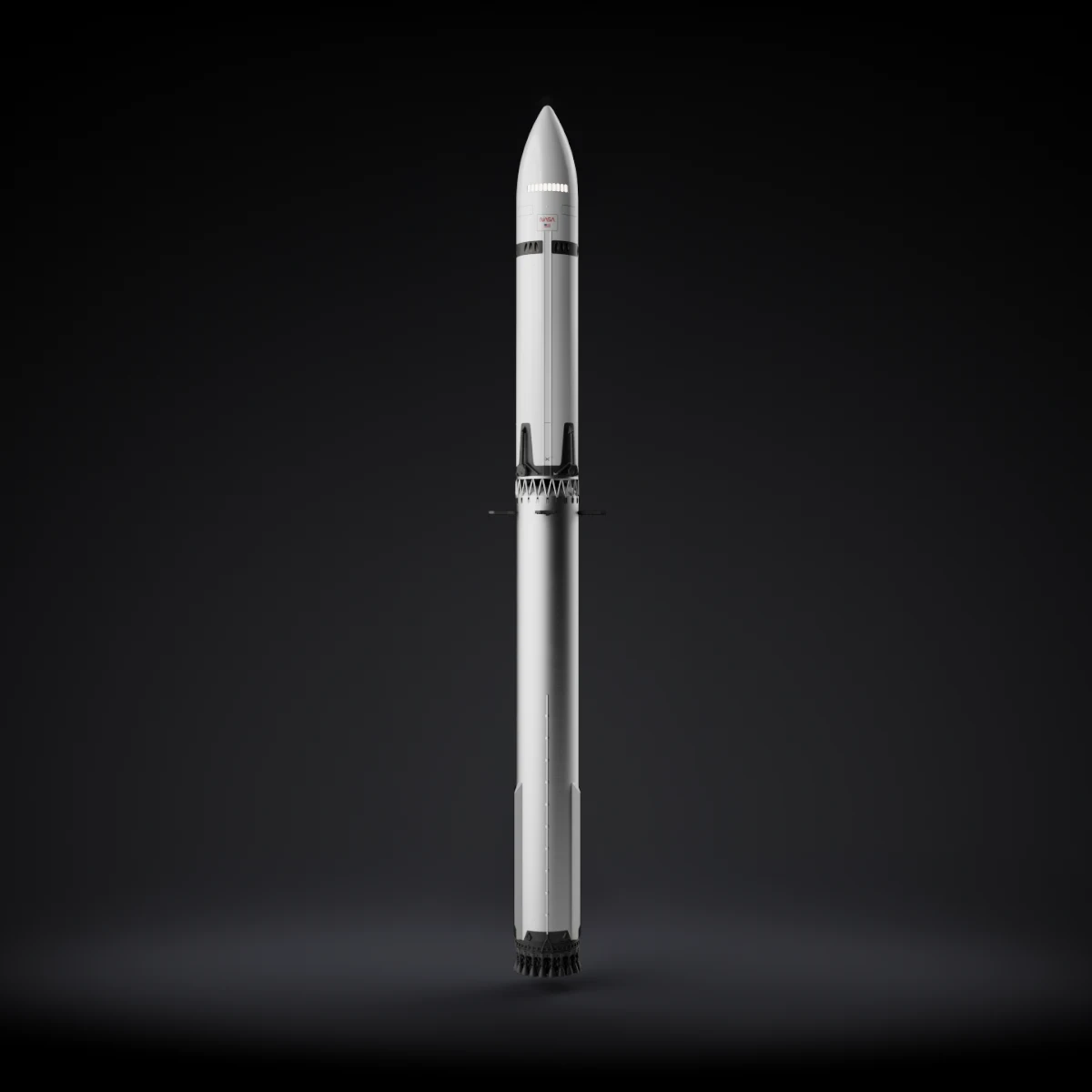
HLS · Lander variant (SpaceX render).
Image 1 of 3
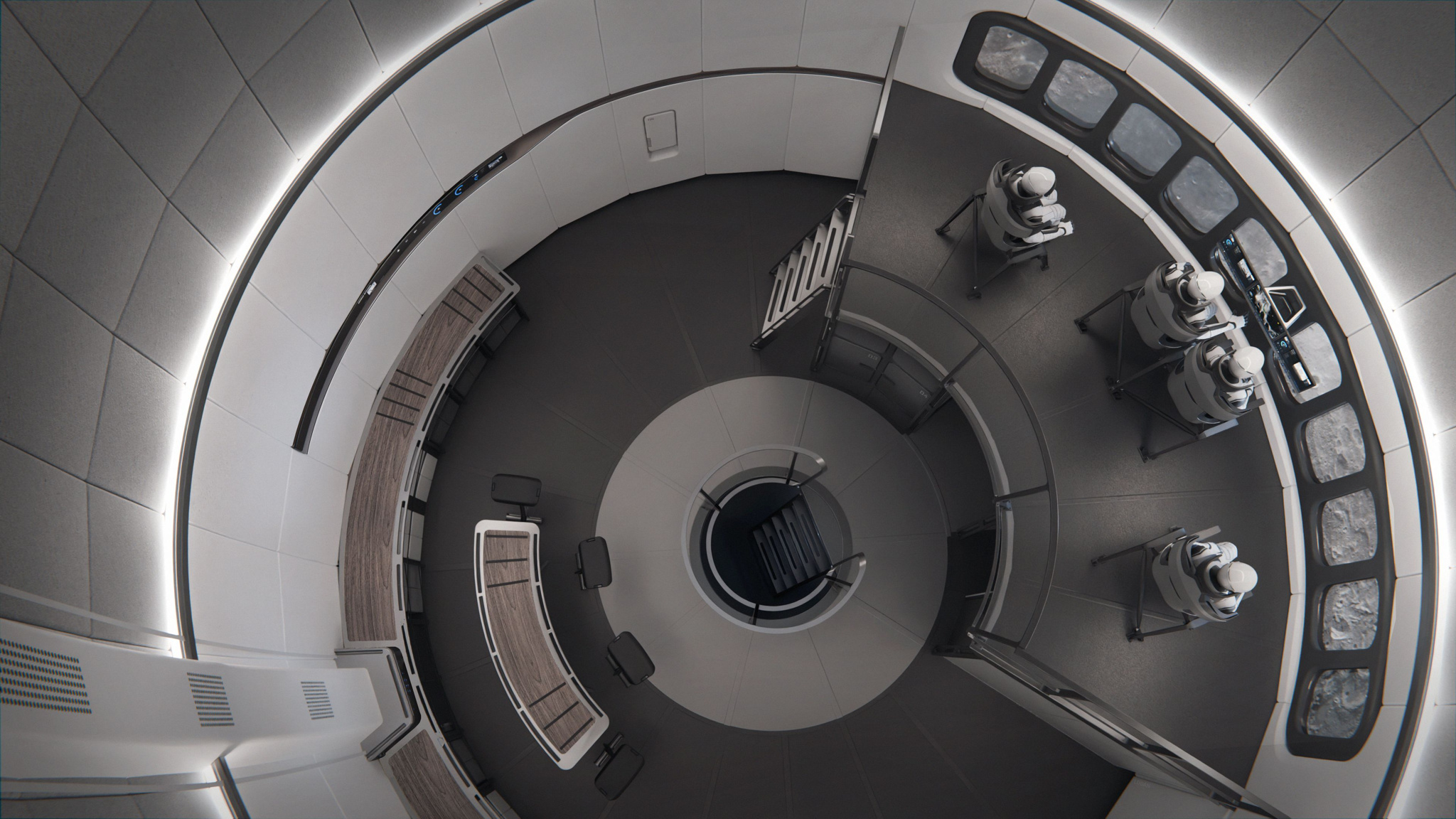
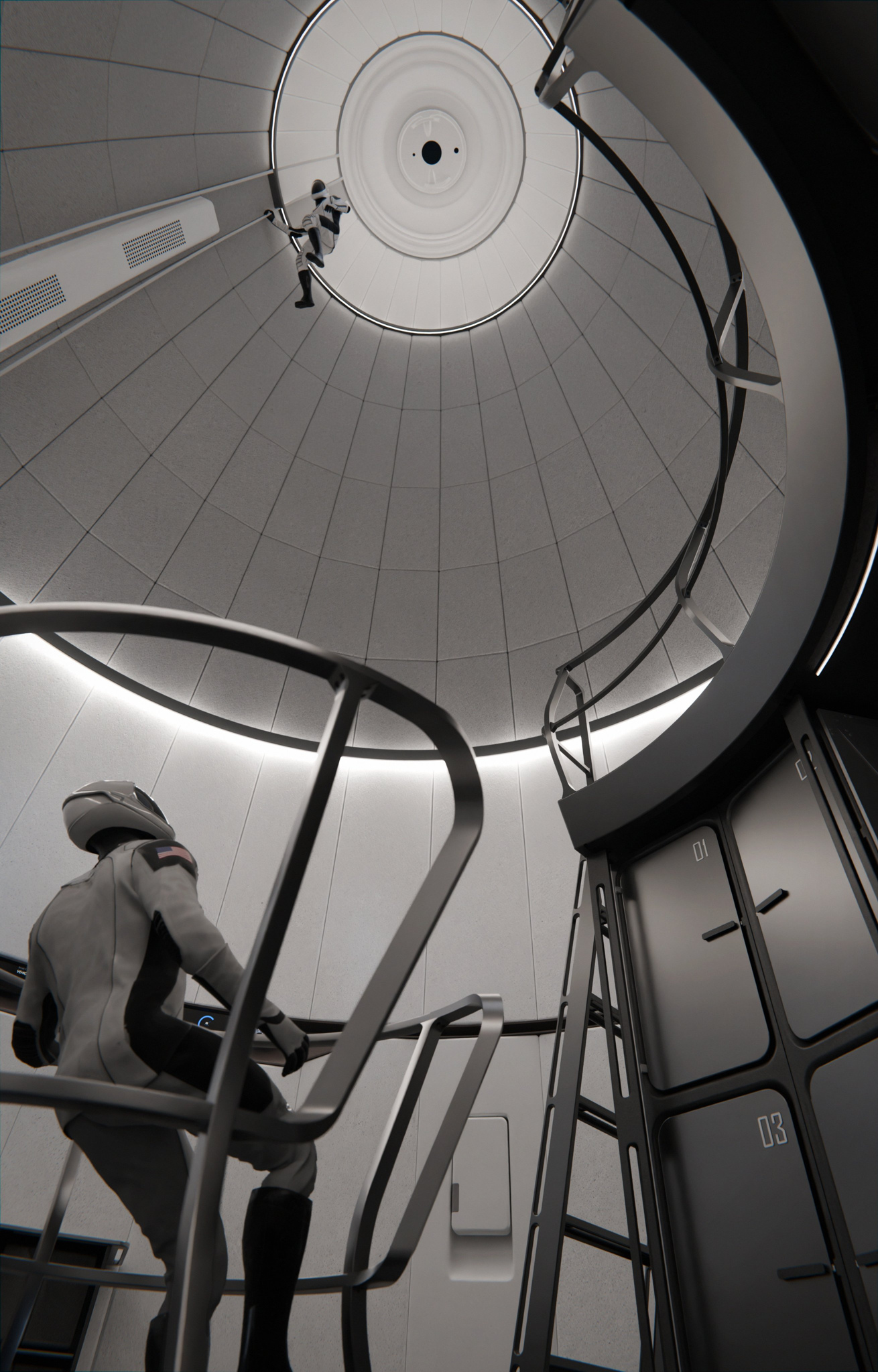
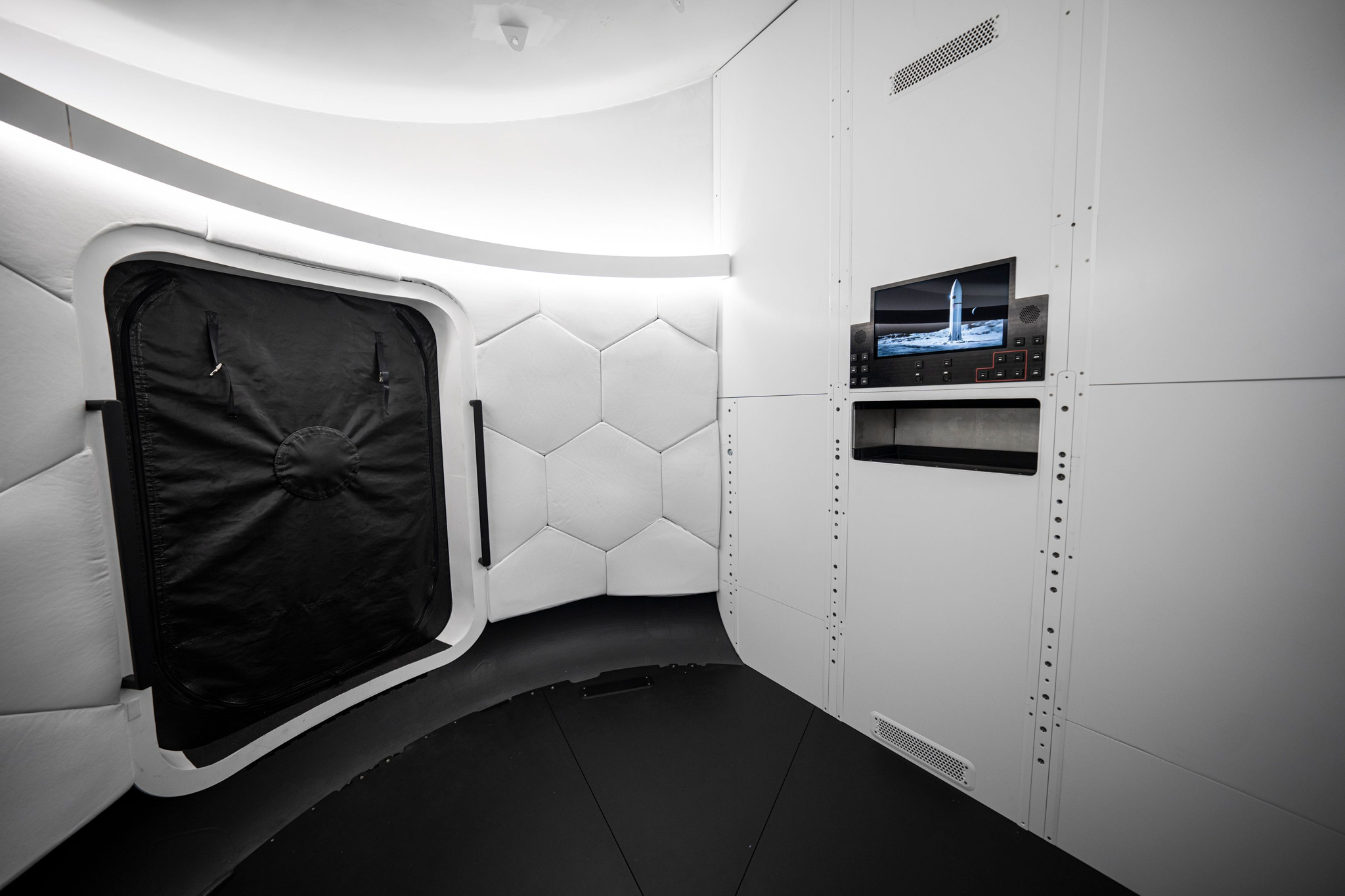
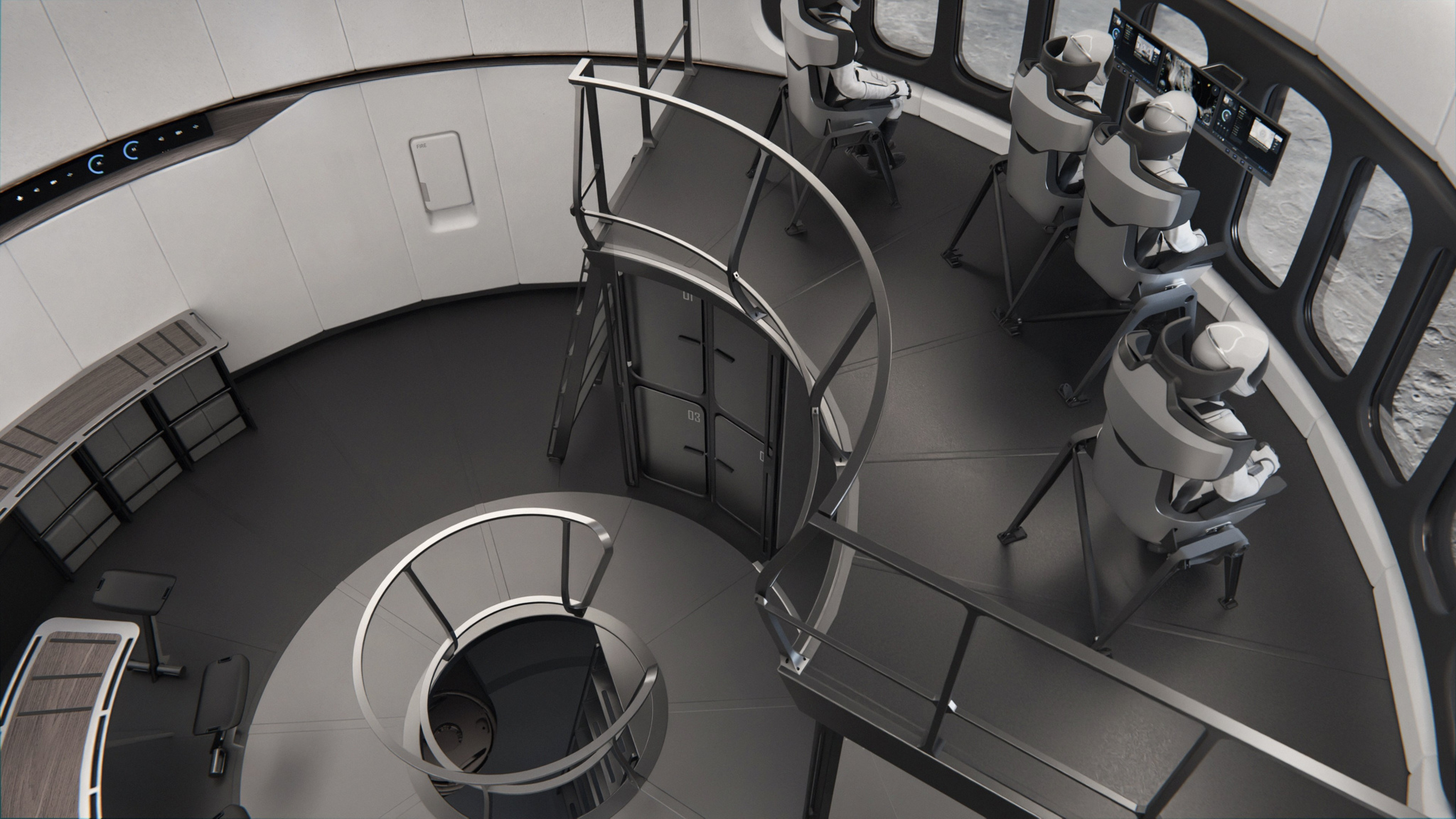
Interior: over 600 m³ pressurized
In October 2025, SpaceX released detailed interior renders: more than 600 m³ of pressurized volume (about two-thirds of the ISS), multi-level decks, stairs, workstations facing windows, and twin airlocks for surface EVAs — designed for extended stays and lunar views.

In-space refueling
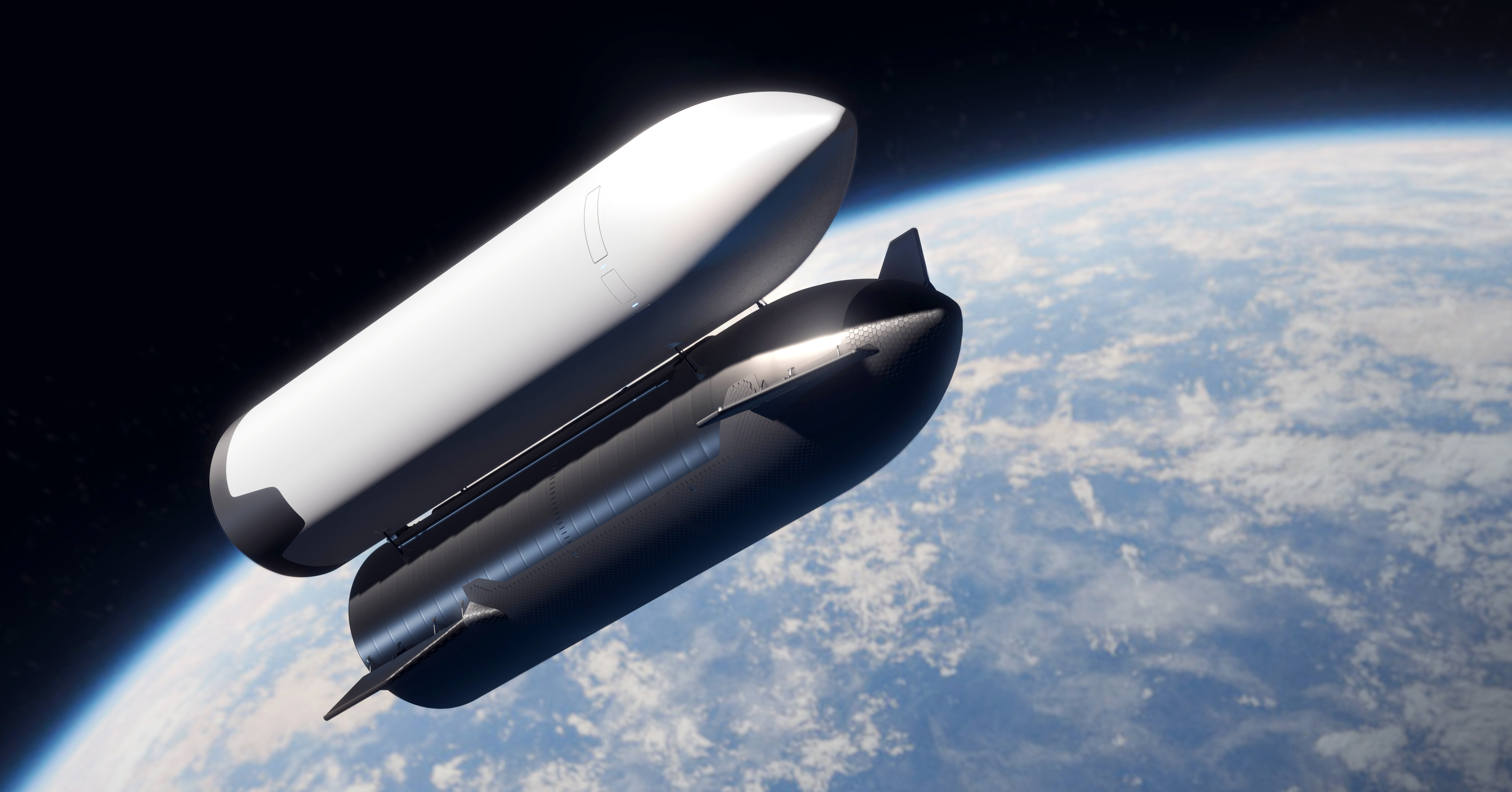
No Starship flies to the Moon alone: dozens of tanker launches feed an orbital depot, which transfers propellant to the lander before translunar injection. NASA regularly illustrates this architecture — essential for SpaceX’s stated payload capability.
Artemis III and beyond
Artemis III will target the first crewed landing at the south pole with two astronauts. Later missions (Artemis IV, sustained base) will use the same HLS building block for heavy cargo, modules, and commercial flights — SpaceX lists uncrewed lunar cargo flights from 2028 onward.